Embark

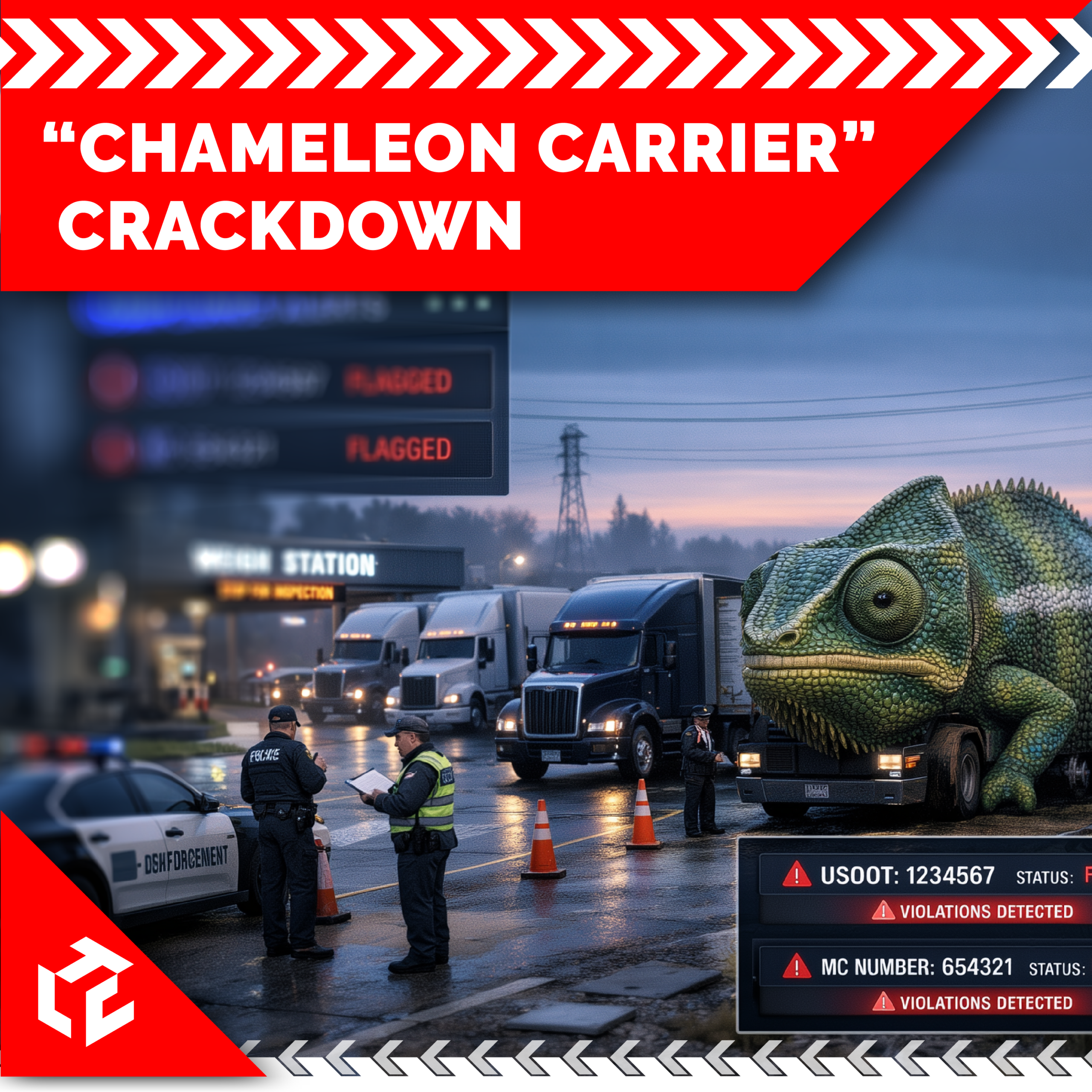
The U.S. Department of Transportation’s emergency rule restricting non-domiciled Commercial Driver’s Licenses (CDLs) is set to reshape the nation’s freight landscape. Initially designed to provide flexibility, the program evolved into a loophole enabling non-residents—often without verified work permits—to enter the trucking workforce. A recent DOT audit revealed over 200,000 such

Read More »

J.B. Hunt executives are cautiously optimistic that trucking’s long-standing capacity glut is beginning to ease. On the carrier’s Q3 earnings call, leaders noted a recent tightening in spot markets and attributed it in part to new regulatory enforcement targeting non-domiciled CDL holders and English proficiency standards. These measures are expected

Read More »

Global ocean freight rates have fallen to their lowest levels since late 2023, as shipping lines face both new regulatory headwinds and tentative signs of recovery in the Red Sea corridor. According to Freightos, Transpacific container prices dropped 8% week over week, with Asia–U.S. West Coast lanes averaging $1,431 per

Read More »

Global shipping stands at a turning point as the International Maritime Organization (IMO) prepares to approve the first worldwide carbon levy on maritime emissions — a landmark move that could reshape trade flows, fuel strategies, and cost structures across the industry. The proposed rules would make vessels over 5,000 gross

Read More »

Federal immigration enforcement is quietly reshaping U.S. trucking capacity — and the ripple effects are already hitting the spot market. Following a series of ICE crackdowns in major freight regions, including a high-profile sweep in Oklahoma, many non-domiciled CDL holders are steering clear of southern lanes or parking their trucks

Read More »

China has unveiled new maritime regulations that could sharply escalate tensions with the United States, signaling a tit-for-tat move in the ongoing trans-Pacific trade conflict. The updated rules empower Beijing to impose retaliatory port fees or even bar ships under U.S. services from Chinese ports, mirroring American measures set to

Read More »

Union Pacific and Norfolk Southern’s proposed merger has sparked a strong response from the Rail Customer Coalition (RCC), which represents shippers across manufacturing, agriculture, and energy. In a recent letter to the Surface Transportation Board (STB), the RCC cautioned that reducing the number of Class I railroads could restrict options,

Read More »

A new Drewry analysis highlights how risk exposure in container shipping contracts has sharply increased. Even when shippers secure base rate reductions during bidding, carriers often introduce new fees later—like fuel surcharges or unexpected regulatory charges. Add in uncontrolled detention/demurrage, frequent blank sailings, and reduced capacity, and what looked like

Read More »

Union Pacific and Norfolk Southern want to fix a major inefficiency in intermodal freight: the costly truck transfers across Chicago. Their $85 billion merger could create a coast-to-coast rail line that reduces crosstowns by routing lower-volume shipments directly between East and West Coast destinations. Today, up to 3,000 shipments per

Read More »