Embark

West Coast cargo is changing course. The Port of Los Angeles handled 1.04 million twenty-foot equivalent units (TEUs) in September, its busiest month ever. The port attributed the surge to resilient consumer demand, inventory replenishment, and challenges along the Panama and Suez Canal routes. The shift extends beyond one terminal.

Read More »

Hurricane Isaias is putting Gulf Coast freight plans under pressure before landfall. The Alabama Port Authority announced a noon CDT suspension of vessel operations at its public berths on October 8, with terminal operations scheduled to stop at close of business.  Capacity is another concern. FreightWaves reports truckload tender rejections

Read More »

C.H. Robinson’s proposed $5.8 billion acquisition of RXO could reshape how shippers source transportation. Announced October 5, the transaction is expected to close in the first half of 2027, subject to regulatory and shareholder approvals. The deal would combine truck brokerage and managed transportation networks, pairing C.H. Robinson’s global forwarding

Read More »

Ocean freight between India and the U.S. East Coast is getting a shorter route again. Selected carriers are returning services to the Suez Canal after extended diversions around Africa’s Cape of Good Hope. Georgia Ports Authority reports that some India-to-Savannah cargo is now arriving 10 to 14 days faster. Maersk’s

Read More »

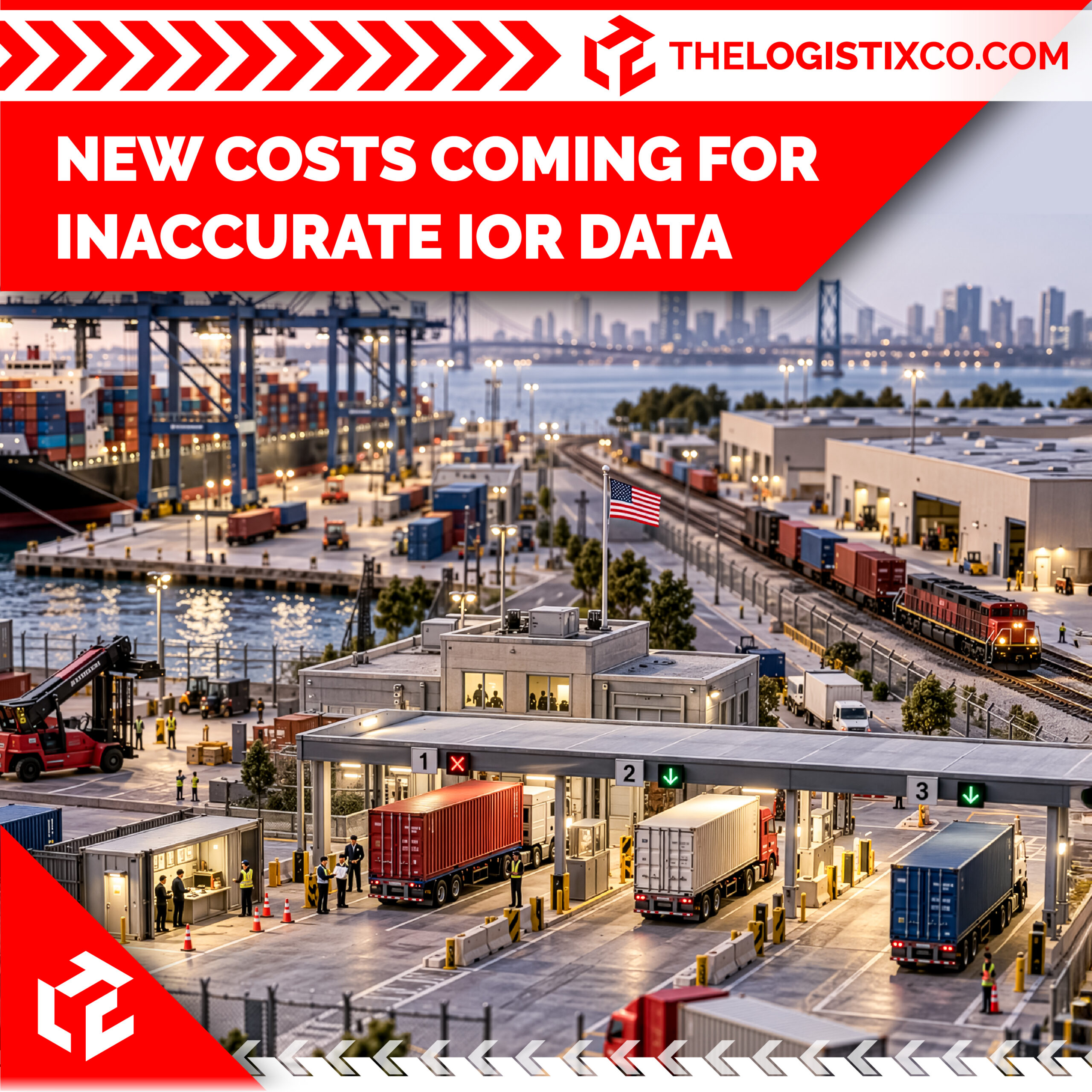
U.S. Customs and Border Protection has tightened enforcement around importer-of-record (IOR) data, and the consequences can hit freight fast. Effective September 18, CBP may immediately void an IOR number when information on Form 5106 is inaccurate or incomplete. A voided number cannot be used to enter merchandise into the United

Read More »

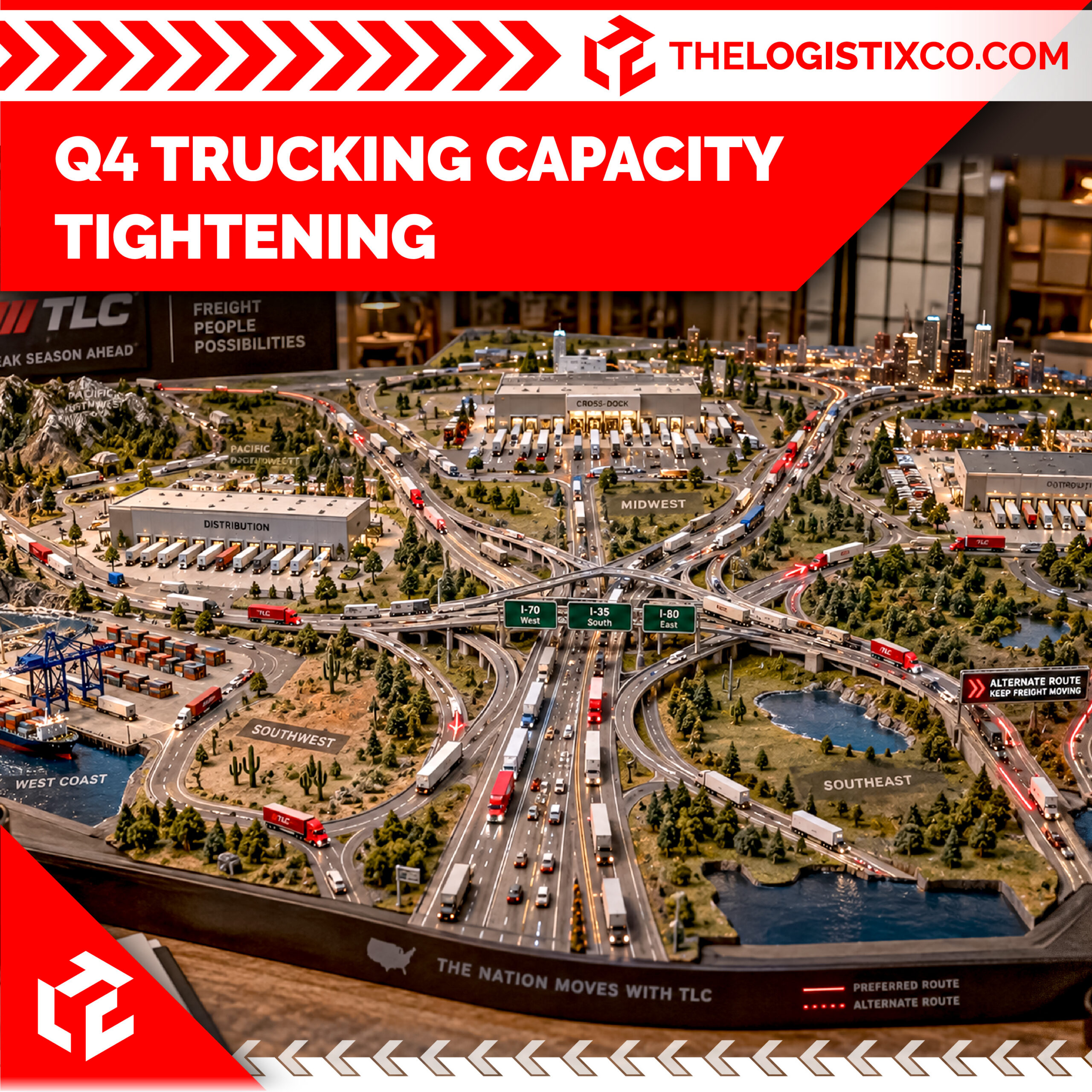
The truckload market is heading into Q4 with less breathing room. While spot rates pulled back seasonally in August, underlying capacity remains constrained. DAT reported an August dry van spot linehaul rate of $2.19 per mile, while recent weekly rates remained more than 30% above year-ago levels. Uber Freight also

Read More »

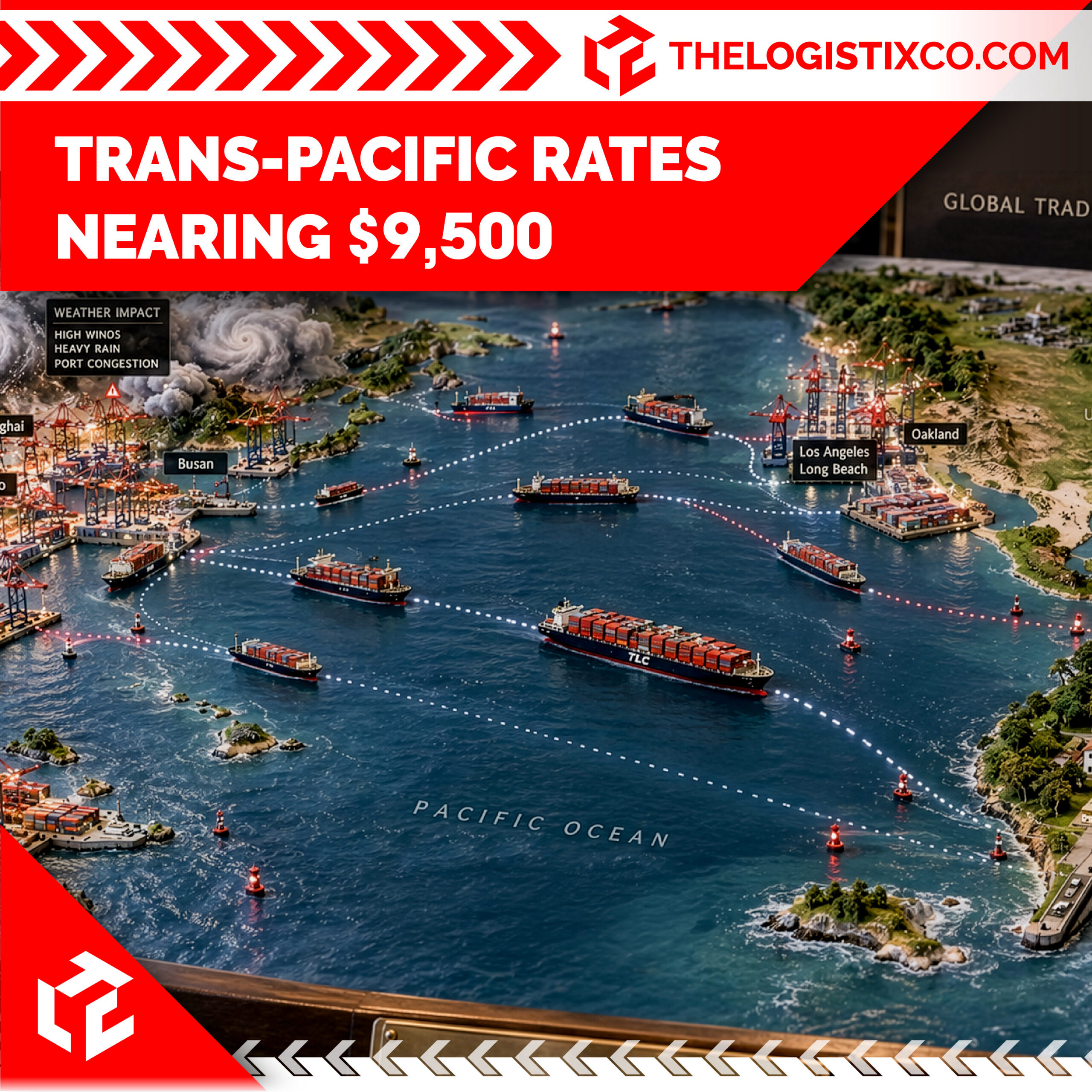
Trans-Pacific ocean rates remain elevated as rising bunker fuel costs, storm-driven congestion and capacity disruptions offset early signs of softer peak-season demand. Rates are currently near $7,600 per container to the U.S. West Coast and $9,500 to the East Coast, levels comparable with the 2024 peak season. For shippers, the

Read More »

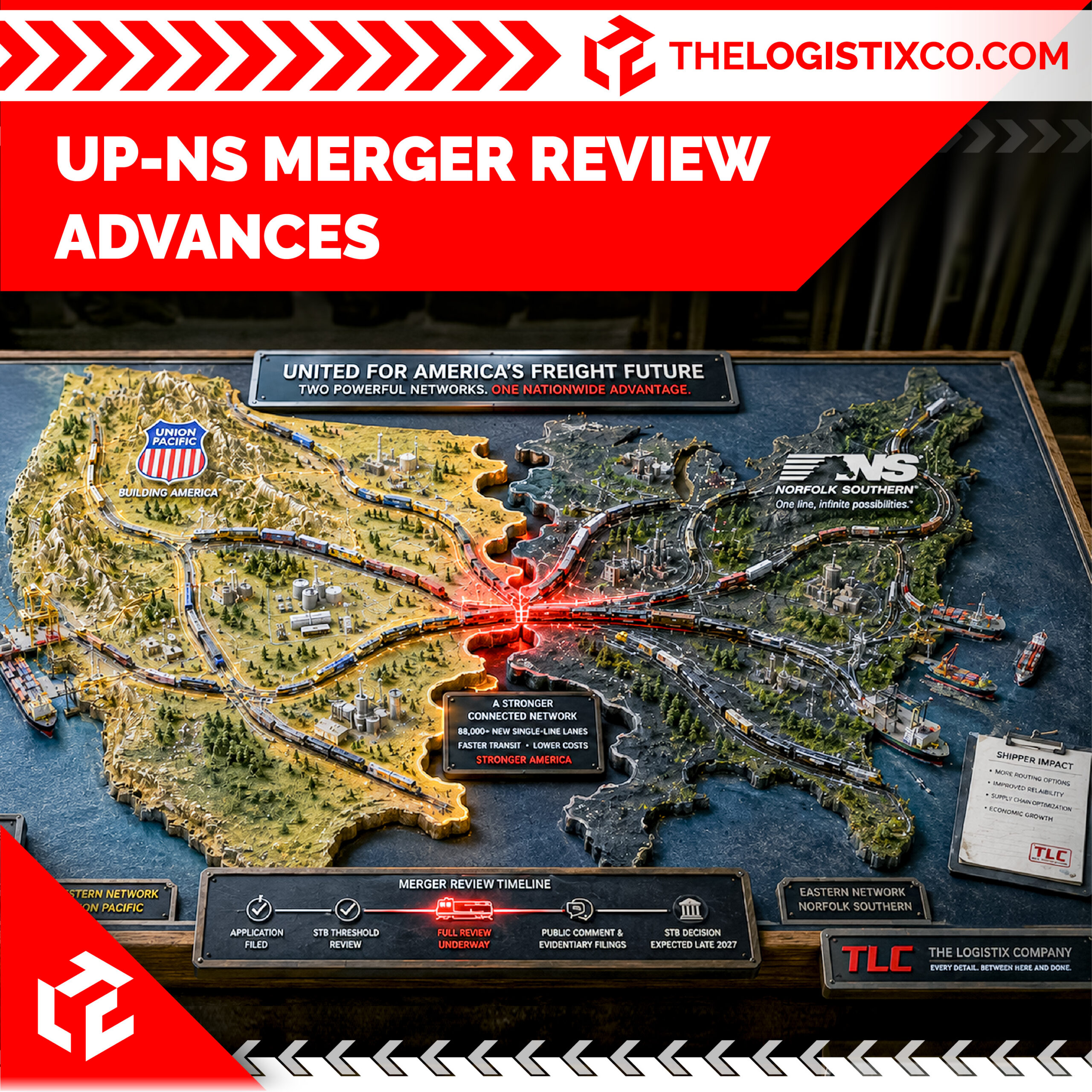
Union Pacific and Norfolk Southern are pushing their proposed transcontinental merger into the next stage of Surface Transportation Board review, arguing that their application meets the regulatory threshold for a full evaluation. The STB has established a procedural schedule, with a final decision expected in late 2027. The railroads say

Read More »

Diesel prices are surging far faster than crude, creating another layer of cost pressure for shippers. Since late February, Brent crude has risen about 26%, while ULSD has climbed more than 70%. U.S. retail diesel is now near post-war highs, reflecting an unusually wide gap between crude and refined-product pricing.

Read More »