
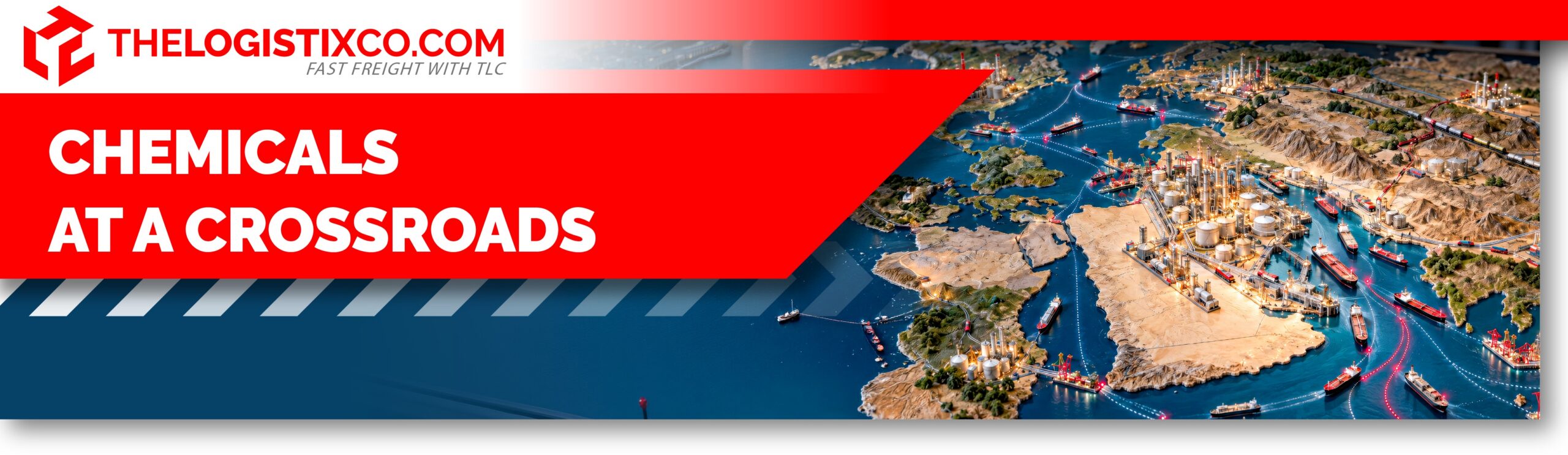
Chemicals at a Crossroads
The Strait of Hormuz crisis is reshaping global chemical trade, but it hasn’t erased the Middle East’s competitive advantage.
Accounting for more than 40% of global polyethylene exports in 2025, the region remains a critical supplier thanks to its low-cost feedstocks and extensive production capacity. Yet ongoing shipping disruptions are exposing the risks of concentrated sourcing.
Restricted vessel movements, elevated freight costs, and uncertain delivery schedules have placed new pressure on chemical supply chains. Some buyers are turning to alternative suppliers in North America and other regions, but industry analysts expect Gulf producers to remain central to global trade.
For shippers, the challenge isn’t necessarily replacing established suppliers. It’s building flexibility around them.
Diversified sourcing, strategic inventory positioning, and adaptable transportation networks can help reduce exposure when established trade lanes become unreliable. Evaluating total landed costs—including freight, delays, and inventory requirements—can be just as important as comparing purchase prices.
At The Logistix Company, we understand that supply continuity depends on more than moving freight. We help customers evaluate routing options, anticipate logistics challenges, and keep their supply chains moving with confidence.
When global conditions shift, The Logistix Company will help you help find best the way forward.
Sourcing: Reuters – Anchor Story | S&P Global – Chemical Trade Disruptions | S&P Global – Market Recovery | Reuters – Maritime Security Update
The Logistix Company (TLC) is not responsible for any changes to the information provided herein. As conditions are subject to change TLC assumes no liability for detrimental reliance on the information provided. This information is for informational purposes only and does not constitute legal advice. Please consult with your legal counsel regarding the information presented herein.
